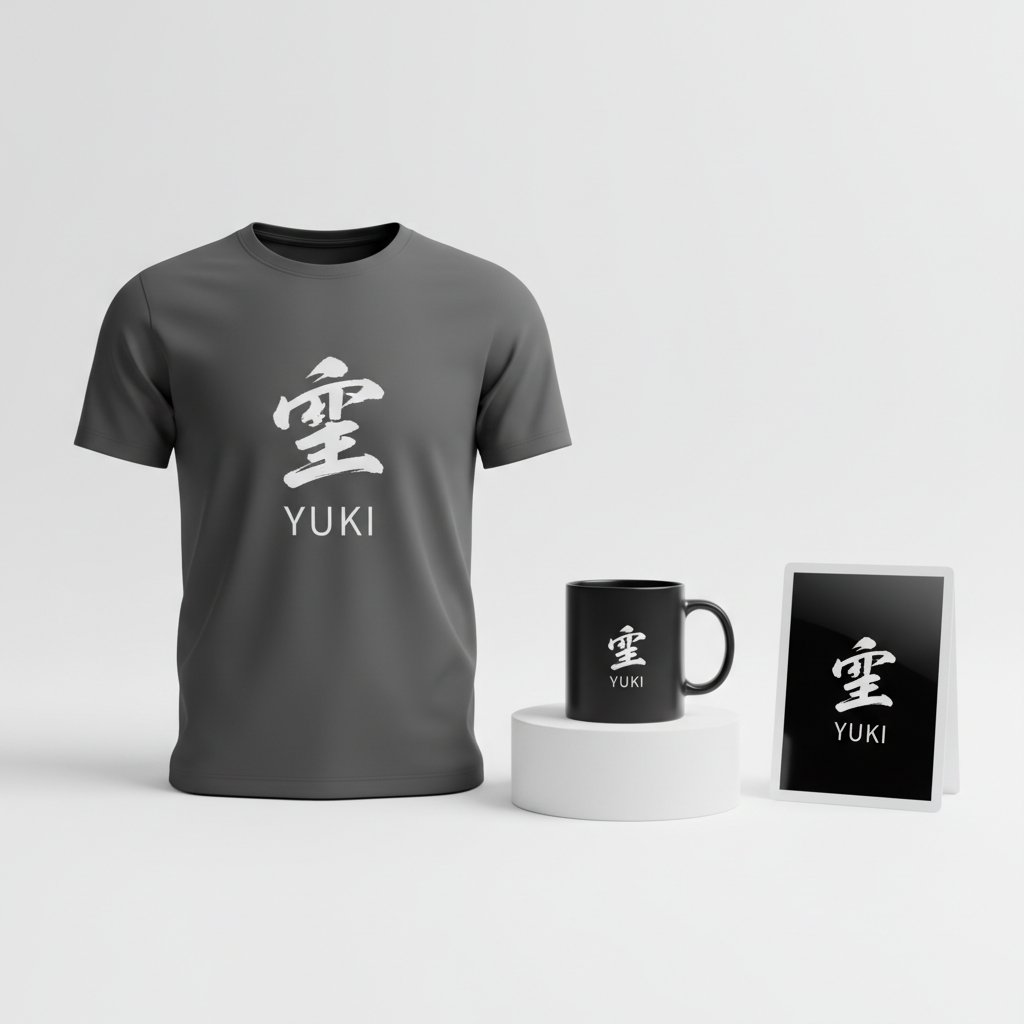
雪 YUKI – Snow
Tokyo and the wider Kanto region are bracing for significant snowfall, an event that has ignited a buzz across Japan, sending searches for “大雪” (heavy snow) skyrocketing to over 1000+ searches today. Major news outlets like ウェザーニュース, 下野新聞社, and Yahoo!ニュース are all reporting on the impending weather, signaling a moment of both anticipation and practical preparation for residents. This unusual forecast for the capital region is more than just a weather update; it’s a cultural happening that resonates deeply.
The Cultural Significance
While heavy snow might be common in other parts of Japan, a significant accumulation in Kanto, especially Tokyo, is a notable event. It transforms the urban landscape, creating picturesque scenes rarely witnessed by its bustling inhabitants. Beyond the immediate impact of travel disruptions and school closures, this phenomenon taps into a profound aesthetic appreciation for snow, or yuki, that is woven into the fabric of Japanese culture. Snowfall is a revered seasonal motif, inspiring countless works of art, poetry (like haiku), and traditional festivals. It symbolizes purity, transient beauty, and the quiet contemplation of nature’s power. For many, it’s a reminder of traditional Japan, even amidst modern city life.
Design Analysis: Capturing the Aesthetic
The essence of this trending moment can be distilled into a design that is both timely and timeless, appealing to those who appreciate Japanese culture and minimalist aesthetics.
- 🎨 Visual Style: The design embraces a minimalist Japanese aesthetic, making the kanji character for snow (雪) the undisputed focal point. Executed in a clean, slightly stylized brushstroke (shodo style), it evokes traditional calligraphy while remaining modern. The monochromatic graphic ensures elegance and versatility, allowing the form and meaning of the character to shine without distraction.
- ✍️ Typography: The primary element, the kanji “雪,” commands attention. Below it, in a smaller, clean sans-serif font, is its English transliteration, “YUKI.” This duality serves multiple purposes: it educates non-Japanese speakers, bridges cultures, and reinforces the design’s understated sophistication. The choice of fonts balances traditional art with contemporary readability.
- 👕 Product Selection: The design is ideally suited for dark apparel. A monochromatic graphic featuring white or light grey characters on a deep navy, charcoal, or black fabric creates a striking contrast that enhances the minimalist appeal. This choice also aligns with the season associated with snow, making it a natural fit for winter wear like hoodies, long-sleeve tees, and beanies, though its cultural significance extends its wearability year-round.
Strategic Market Insight
This design concept brilliantly cross-niches two significant markets. Firstly, it taps into the immediate, high-volume interest generated by the trending heavy snow forecast in Japan. This creates an urgent, topical appeal for those wanting to commemorate or acknowledge the event. Secondly, and more enduringly, it pivots to the vast, established, and passionate print-on-demand market for minimalist Japanese text-based and aesthetic designs. It targets individuals who cherish Japanese culture, art, and the beauty of simplicity. The psychological trigger here is the desire for subtle self-expression and connection to a respected global aesthetic. Buyers aren’t just getting a shirt; they’re acquiring a piece that carries a deeper cultural meaning, a quiet statement of appreciation for elegance and tradition that transcends a single weather event.
⚖️ Estimated Copyright Risk: LOW
Our Findings: The copyright risk is low. Individual Japanese kanji characters are public domain and cannot be copyrighted. The design uses a standard font style and a simple, original composition. It does not use any existing artwork, brand names, or protected symbols. The term ‘Yuki’ is a common word and name. The concept is based on a general cultural aesthetic, which is not protectable.
Always verify intellectual property rights before listing.
Check Japan Trademark Search for “大雪” ➔
AI Image Generation Prompts
The following prompts are optimized for leading generators to produce production-ready assets:
👕 Apparel / T-Shirt Prompt
A perfectly centered and isolated clean vector illustration of a minimalist Japanese aesthetic design. The central element is the kanji character for snow (雪) rendered in a sophisticated, slightly stylized shodo brushstroke font. The brushwork should convey elegance and fluidity, yet appear digitally clean and crisp, like a perfectly executed vector path rather than an organic ink bleed. Below the kanji, the English transliteration 'YUKI' is presented in a smaller, exceptionally clean, geometric sans-serif font (e.g., inspired by Futura or Helvetica Neue), maintaining perfect kerning and alignment. The entire graphic is monochromatic, featuring pure white elements against a solid, rich, deep charcoal Dark background. The illustration style is defined by precise, smooth bezier curves, razor-sharp edges, and flawless flat fills, optimized for screen printing onto fabric. There are no gradients, shadows, or textures within the graphic itself, only stark contrast and clarity. The overall mood is serene, modern, and timelessly elegant, designed for high-quality apparel. The rendering should be impeccable, showcasing graphic design excellence. The ONLY text allowed in the image is exactly '雪 YUKI'. Absolutely NO other names, words, or random letters. --ar 3:4 --v 6.0
🔍 Search this niche on:
☕ Drinkware / Mug Prompt
A duplicated side-by-side layout showing the exact same graphic on the left and right, designed perfectly for a panoramic coffee mug wrap. The graphic features a minimalist Japanese aesthetic. The central element is the kanji character for snow (雪) written in a clean, slightly stylized shodo brushstroke font, embodying both traditional grace and modern precision. The strokes are fluid but defined, conveying a sense of calm and natural beauty. Below the main kanji, in a smaller, clean, perfectly balanced sans-serif font, is the English transliteration 'YUKI'. The entire design is monochromatic, rendered in a crisp, pure black against a pristine white background. The illustration style is flat and two-dimensional, ensuring maximum readability and seamless application on ceramic drinkware. The lines are ultra-sharp, the fills solid and consistent, without any pixelation or blur. The mood is tranquil, sophisticated, and contemplative, suitable for a daily ritual like drinking coffee or tea. The duplicated elements are precisely spaced to suggest a continuous, wraparound effect, maintaining perfect visual harmony. The rendering is ultra-high resolution, print-ready, emphasizing clean lines and graphic simplicity. The ONLY text allowed in the image is exactly '雪 YUKI'. Absolutely NO other names, words, or random letters. --ar 3:1 --v 6.0
🔍 Search this niche on:
✨ Die-Cut Sticker Prompt
A bold, 2D flat pop-art style die-cut sticker design. The central element is the kanji character for snow (雪) rendered in a strong, slightly stylized brushstroke font that leans towards graphic boldness, suitable for a sticker. The strokes are thick and confident, with a clean, almost geometric interpretation of traditional shodo. Below the main kanji, in a smaller, robust, clean sans-serif font, is the English transliteration 'YUKI'. The entire monochromatic design features pure black graphical elements on a stark white background within the sticker's perimeter. Crucially, there is a prominent, thick white outline border around the entire design, defining the die-cut edge of the sticker. The style is ultra-flat, with solid color blocks and no gradients, textures, or shadows within the design itself. The rendering is sharp, crisp, and high-contrast, mimicking a high-quality vinyl sticker. The overall mood is striking, modern, and eye-catching, designed to stand out. The simulated surface is glossy and smooth, characteristic of a premium die-cut sticker. The ONLY text allowed in the image is exactly '雪 YUKI'. Absolutely NO other names, words, or random letters. --ar 1:1 --v 6.0
🔍 Search this niche on:
Frequently Asked Questions
Is this design only relevant during winter or heavy snowfall events?
Absolutely not! While the initial spark for this design may be a trending weather event, its core appeal is the deep cultural significance of snow (yuki) in Japan. Snow is a revered motif in Japanese art, poetry, and philosophy, symbolizing purity and transient beauty. This design’s minimalist aesthetic and cultural depth make it a stylish and meaningful piece to wear year-round for fans of Japanese culture and art.
What makes this minimalist Japanese design appealing to a global audience?
The appeal lies in its elegant simplicity and the universal appreciation for Japanese aesthetics. Minimalism is a highly valued design principle worldwide, and Japanese culture, with its rich history of art, calligraphy, and seasonal motifs, holds significant global admiration. The design’s clean lines and the iconic “雪 YUKI” character transcend language barriers, offering a subtle yet profound statement that resonates with a broad demographic.
How does the monochromatic palette contribute to the design’s effectiveness?
The monochromatic palette is crucial to the design’s minimalist and sophisticated appeal. By removing color distractions, it forces the viewer to focus on the elegant form of the kanji character and its meaning. This choice also enhances versatility, allowing the design to pair effortlessly with various styles and wardrobes, projecting an understated elegance that aligns perfectly with the Japanese aesthetic it embodies.
💬 Seller Strategy Discussion
Given the dual appeal of this “大雪” design – a timely weather trend and an evergreen cultural motif – how would you strategize your marketing efforts and product placement to maximize both short-term sales from the immediate trend and long-term engagement from the enduring cultural market?