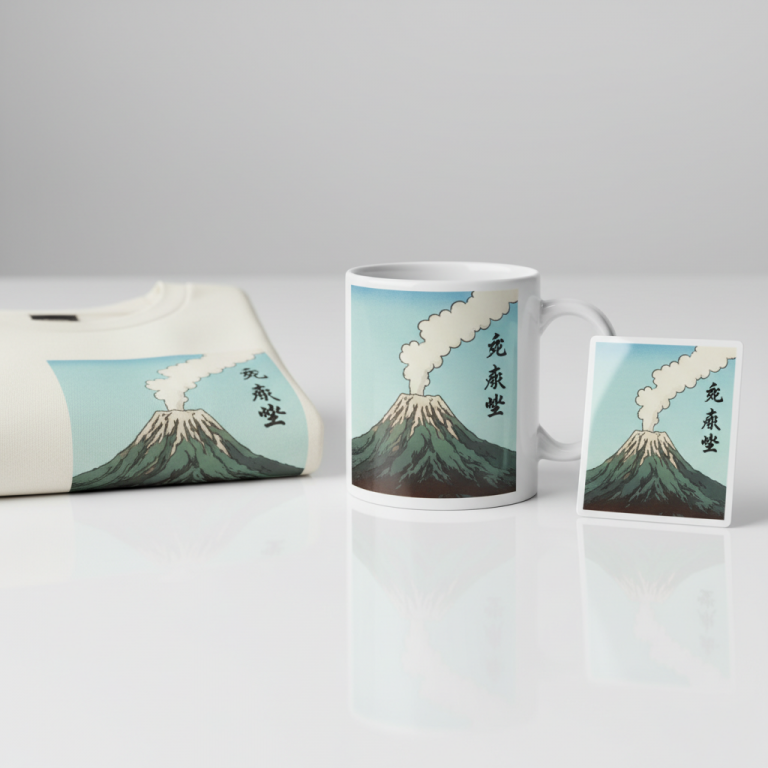
Sony Bungie Merch Design
📅 Published: May 8, 2026
📍 Target Market: United Kingdom
🔥 Trend: Sony Bungie ↗
The UK gaming scene is buzzing, and not with excitement over a new release, but with a palpable sense of unease. Recent financial reports from a global tech giant, revealing a staggering impairment loss linked to its acquisition of a beloved game development studio, have sent ripples through the industry. This isn’t just about balance sheets; it’s igniting a deeper conversation among players about the future of gaming, creativity, and the growing shadow of corporate influence.
The Cultural Significance
The financial news surrounding the significant write-down related to the acquisition of the studio behind titles like ‘Destiny’ and the anticipated ‘Marathon’ isn’t just a dry business headline; it’s a flashpoint for a long-simmering discontent within the gaming community. For many veteran players, these corporate manoeuvres often signal a potential shift away from artistic vision towards pure quarterly profits. There’s a profound cultural anxiety that when a creative powerhouse is absorbed by a larger entity, its unique spark might dim, or worse, be extinguished. This particular event resonates because it involves major players, leading gamers to question the long-term health and independence of the studios they adore. It taps into a shared feeling that the era of pure, unadulterated game development is under siege, replaced by a landscape dominated by mergers, acquisitions, and the relentless pursuit of market share, sometimes at the expense of the very games and communities they claim to invest in.
Design Brainstorm: Capturing the Aesthetic
Translating such complex, often cynical, sentiment into a compelling visual for merchandise requires a nuanced approach. The goal is to articulate the underlying critique without direct confrontation, allowing the design itself to speak volumes to those in the know.
- 🎨 Visual Concept: One powerful angle to consider is a stylized, 8-bit pixel art graphic. Picture a looming, generic corporate building – perhaps identifiable only by a ubiquitous money symbol (‘$’) on its facade – in the act of absorbing a small, pixelated video game controller. The controller itself could be depicted glitching, breaking apart, or distorting as it enters the monolithic structure, symbolizing the perceived harm to creative integrity. A dark, classic arcade game color scheme would not only lend a nostalgic appeal to veteran gamers but also enhance the somber, critical tone, making the breaking controller visually striking against the deeper backdrop. This visual metaphor directly speaks to the trend without naming names.
- ✍️ Typography Ideas: In this instance, a design concept that forgoes explicit text could be incredibly powerful and strategically sound. The visual narrative is so strong and universally understood by the target audience that adding text might dilute its impact or, critically, introduce unnecessary intellectual property concerns. The image itself becomes the slogan, a silent nod of understanding between those who recognize the sentiment. If one were to consider a subtle textual element, it might be an abstract, pixelated pattern or a single, generic word like “Processing” or “Assimilation” rendered in a retro arcade font, but the strength here truly lies in the visual’s independence.
- 👕 Product Canvas: Given the dark color scheme of the proposed pixel art and the somewhat critical nature of the message, dark apparel would serve as the ideal canvas. Think black, charcoal grey, or deep navy t-shirts, hoodies, or long-sleeved tops. These colors would allow the retro, vibrant pixel art to truly pop while reinforcing the more serious, reflective mood of the design.
Strategic Market Insight
Targeting the “cynical, veteran gamer” demographic with a design like this is a shrewd move. This audience isn’t just buying a piece of clothing; they’re investing in an expression of their shared identity and perspective. These are players who have witnessed the evolution of the gaming industry firsthand, often feeling a sense of nostalgia for a simpler, less corporate-driven past. They are wary of large corporate acquisitions, viewing them as potential threats to developer autonomy and creative freedom. A visual-only design, free from specific brand names, provides them with a subtle, yet potent, way to express their sentiments. It’s an “If You Know, You Know” piece – a quiet rebellion, a badge of shared understanding. The psychological trigger is identification: “This design speaks my truth.” It allows them to feel seen and heard within a community that often feels disenfranchised by the industry’s titans, fostering a strong emotional connection that can drive purchase intent.
AI Image Generation Prompts
The following prompts are optimized for leading generators to produce production-ready assets:
👕 Apparel / T-Shirt Prompt
A highly detailed 8-bit pixel art graphic, designed for a t-shirt print. The central focus is a large, oppressive, faceless corporate building, rendered in a striking low-resolution aesthetic with stark, geometric shapes. The building's color scheme consists of dark, muted tones like deep charcoal, ominous blacks, and steely grays, mimicking the look of retro arcade game environments. A generic money symbol '$', rendered in bright, contrasting pixel art (a glowing neon green or electric blue), is prominently integrated into the building's facade. From the right, a small, iconic, pixelated video game controller, vibrant with classic arcade colors such as electric red, vivid blue, and bright yellow, is shown being pulled into and absorbed by the building. The controller is actively glitching, disintegrating, and breaking apart into a cascade of fragmented pixels, digital noise, and light trails at the point of contact, illustrating a clear visual of corruption and dissolution. The artwork boasts hard pixel edges, clean vector lines, and a deliberate absence of anti-aliasing, ensuring a crisp, scalable image. The overall mood is dystopian and retro-futuristic, with a color palette that evokes classic dark arcade themes. The entire design is isolated on a solid dark background, presented in a clean, scalable vector illustration style, optimized for print clarity on fabric. The ONLY text allowed in the image is exactly 'No text'. Absolutely NO other names, words, or random letters. --ar 3:4 --v 6.0
☕ Drinkware / Mug Prompt
A duplicated side-by-side layout, designed perfectly for a panoramic mug wrap. Each identical graphic features a stylized, highly detailed 8-bit pixel art scene. The scene depicts a massive, monolithic corporate building, imposing and windowless, rendered in a dark, classic arcade color palette of deep purples, industrial grays, and pitch blacks. A prominent, pixelated generic money symbol '$', glowing with a neon electric blue or sharp green, marks the building's facade. A smaller, iconic pixelated video game controller, rendered in bright, distinct 8-bit colors like fiery orange, vibrant cyan, and classic red, is dramatically being absorbed into the base of the building. The controller is shown in mid-glitch, fragmenting into a dynamic explosion of breaking pixels, digital static effects, and energy bursts, suggesting a violent digital corruption. The art style emphasizes crisp pixel definition, strong outlines, and a flat shading technique characteristic of retro 8-bit graphics. The overall aesthetic is dark, moody, and reminiscent of early arcade side-scrollers, ensuring visual impact when wrapped around a mug. This graphic is duplicated perfectly side-by-side without any overlap, creating a seamless panoramic effect. The ONLY text allowed in the image is exactly 'No text'. Absolutely NO other names, words, or random letters. --ar 3:1 --v 6.0
✨ Die-Cut Sticker Prompt
A bold, die-cut sticker design in a 2D flat pop-art style, heavily influenced by 8-bit pixel art. The central image is a stark, imposing, corporate building, depicted with sharp, blocky pixel art in dark, desaturated tones such as deep charcoal, midnight blue, and oppressive black. A simplified, yet prominent, generic money symbol '$', rendered in stark, contrasting pixelated yellow or bright green, is emblazoned on its facade. A distinct, classic pixelated video game controller, vibrant with retro colors like vivid magenta, electric yellow, and stark white, is graphically shown being absorbed into the building. The controller is in a state of intense digital corruption, breaking apart into jagged pixel fragments, geometric glitches, and radiant pixel bursts, creating a powerful visual of destruction. The entire design features strong, clean, hard-edged pixel outlines, indicative of iconic 8-bit graphics. This pop-art treatment emphasizes bold, flat color fields and a strong graphic impact, creating a simplified, iconic representation. The entire pixel art design is encased within a thick, clean white outline border, perfectly suited for a die-cut sticker, enhancing its pop and visibility. The overall mood is rebellious and visually striking. The ONLY text allowed in the image is exactly 'No text'. Absolutely NO other names, words, or random letters. --ar 1:1 --v 6.0
Frequently Asked Questions
How does this design concept navigate potential intellectual property (IP) concerns given the sensitive nature of the topic?
The beauty of this design lies in its abstract, symbolic nature. By depicting a generic corporate building and a generic video game controller, along with eschewing specific brand names or trademarked phrases, it completely sidesteps direct IP infringement. The message is conveyed through universal metaphors—corporate absorption, creative struggle—that resonate with the sentiment of the trend without violating specific brand guidelines. It’s a commentary on a broader industry phenomenon rather than a direct reference to any one company.
What kind of reaction might a design like this elicit from the gaming community?
For the targeted cynical, veteran gamer demographic, this design is likely to resonate deeply, evoking a sense of understanding and camaraderie. It speaks to their concerns about corporate influence on game development. While it avoids being overtly aggressive, its subtle critique could spark conversations and serve as a quiet, visual protest. It’s a statement piece that allows wearers to identify with a shared frustration without needing to explain it explicitly, fostering a feeling of community among like-minded individuals.
Is the appeal of this design fleeting, tied only to the immediate news cycle, or does it have longer-term potential?
While the recent financial news provides the immediate trending context, the core sentiment this design taps into—distrust of corporate consolidation and its perceived impact on gaming creativity—is evergreen for many veteran gamers. This isn’t just about one acquisition; it’s a recurring theme in the industry. Therefore, a design that abstractly represents this ongoing tension could have significant longevity. As long as big tech continues to acquire game studios, the underlying concern will persist, giving this concept enduring relevance beyond the initial news cycle.
Final Thoughts
The cultural landscape of gaming is rich with commentary, and recent events have carved out a fascinating niche for print-on-demand designers. Tapping into the collective sentiment of an engaged community, particularly one as passionate and discerning as veteran gamers, offers significant e-commerce potential. Designs that articulate complex feelings through clever, brand-agnostic visuals can forge powerful connections. Ultimately, the success of any concept hinges on thoughtful execution and the unique spin a designer brings to the table, transforming a trending topic into a timeless piece of expression for a dedicated audience.
💬 What’s Your Take?
Art is subjective, and this is just one angle! How would you spin this “Sony Bungie” trend? Drop your design ideas and let’s brainstorm in the comments below!
⚖️ Disclaimer, Copyright & Earnings Notice
This article provides insights, design concepts, and strategies for educational and informational purposes only. By utilizing this information, you acknowledge and agree to the following:
- No Legal Advice: The content provided does not constitute legal counsel. Intellectual property laws are complex and constantly evolving.
- Independent Verification Required: There is no guarantee that the suggested niches, keywords, or AI-generated design concepts are free from trademarks, copyrights, or IP claims. You are solely responsible for conducting independent due diligence using official databases (e.g., USPTO, Trademarkia) before listing any product.
- Platform Compliance: You are entirely responsible for ensuring your final designs, keywords, and descriptions comply with the Terms of Service of your chosen Print-on-Demand platforms.
- No Earnings Guarantee: Mentions of “trending” topics or “buyer intent” do not guarantee sales, profits, or financial success. Your results depend on your individual execution and market conditions.
By acting on any information in this article, you accept full responsibility for your business operations and any resulting commercial or legal consequences.